Crossing fifteen hours of deep ocean between Sydney and Los Angeles demands luggage that holds up under pressure. After dozens of transpacific routes, I have learned that traditional checked bags invite delays, lost baggage risks, and clumsy terminal navigation. Moving to an engineered carry-on setup provides speed, flexibility, and absolute control over your itinerary.
Choosing the Right Polycarbonate Carry On
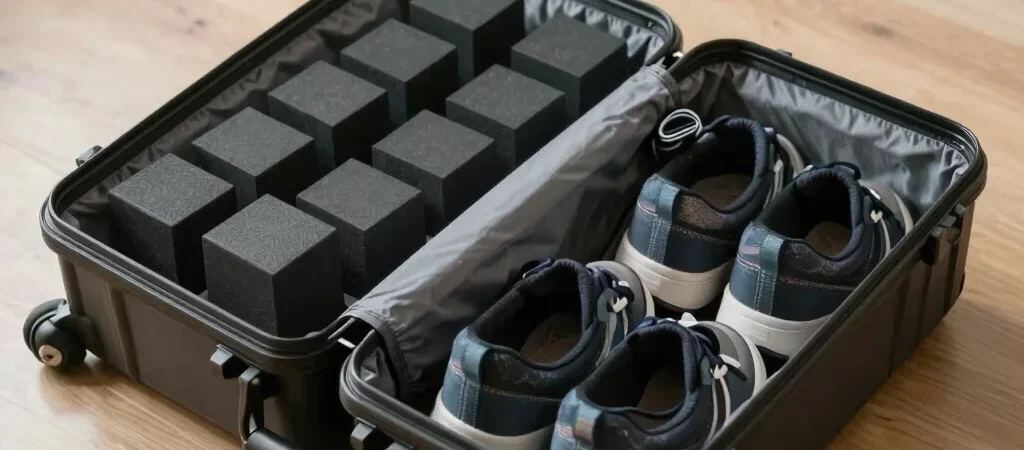
A hardshell carry-on built from high-grade polycarbonate offers the best ratio of impact resistance to weight. Look for Japanese spinner wheels that glide effortlessly across airport carpets and rough city pavement alike. Internal divider panels keep clean apparel separate from footwear and gear cables.
Compression packing cubes are essential for maximizing interior capacity while preventing bulk. By compressing air out of bulkier garments like hoodies or jackets, you free up critical space for camera bodies, travel chargers, and extra footwear. Recommendations featured here reflect gear tested in transit; we may earn a commission if you purchase through our links.
Organizing Tech Cables and Travel Accessories
Tangling chargers under a dim seat light is an easy way to start a trip with frustration. A structured, water-resistant tech pouch keeps wall adapters, universal travel plugs, and charging cables neatly organized and immediately accessible inside your personal item bag.
Maintaining Comfort on 15 Hour Long Hauls
Layering breathable merino wool garments allows your body temperature to adjust smoothly as aircraft cabin settings fluctuate. Pack a compact sleep mask with deep eye contours so you can catch genuine rest across long stretches of ocean night.