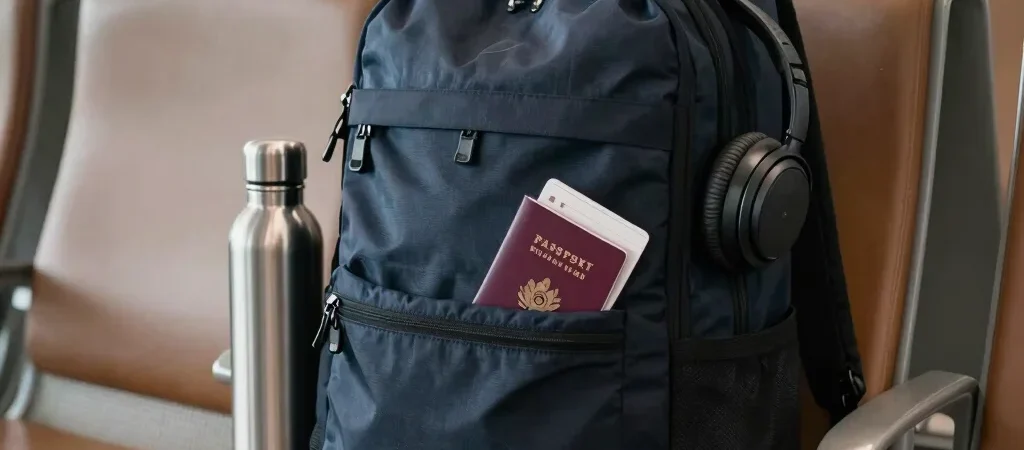
Stepping off a ten-hour flight from Sydney into the crisp humidity of Haneda requires a system, not just a boarding pass. Over years of riding the Australia to Japan corridors, I have refined a minimalist carry-on protocol that turns an exhausting overnight red-eye into a manageable transition. When you pack light and smart, you skip the baggage carousel queues and walk straight toward the Tokyo Monorail while other passengers struggle with oversized luggage.
Managing Cabin Pressure and Noise Fatigue
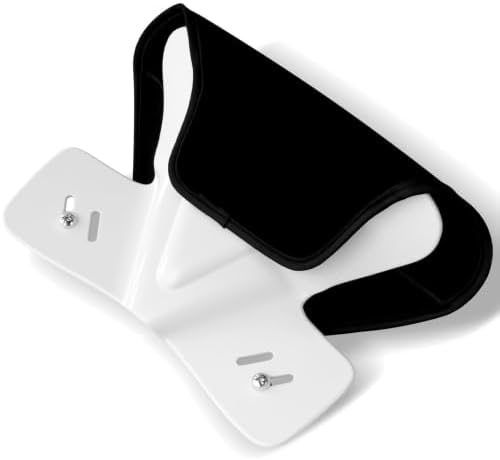
The hum of an Airbus A350 engine will wear down your focus long before you hit mid-flight turbulence. Active noise-canceling over-ear headphones remain non-negotiable for transpacific and Australia to Asia routes. Pairing them with a memory foam neck collar that anchors to your seat frame prevents the dreaded mid-sleep slump.
Hydration is another field-tested priority that passengers frequently overlook. Bringing a collapsible stainless steel bottle through security and filling it at the gate ensures you stay hydrated without waiting for cabin service during midnight cabin dark hours. Note that selecting products through our links may earn us an affiliate commission, which supports our independent field testing.
Power and Connectivity at Ten Thousand Meters
Relying solely on seatback USB ports is a mistake because output wattage often drops when multiple passengers plug in simultaneously. A compact 20000mAh portable power bank with high-wattage power delivery ensures your phone, camera, and tablet remain fully charged upon arrival in Japan.
Streamlining Tokyo Entry and Rail Connections
Having your digital transit credentials loaded onto your smartphone before departure saves precious time at customs. Keeping your passport, physical transit cards, and spare Yen in a slim RFID-blocking neck wallet allows you to clear border control calmly and move straight into the rail network.